262-446-9222



Aggravated Battery Charges in Wisconsin
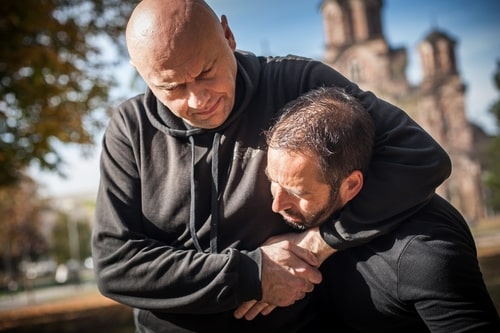
Aggravated battery in Wisconsin is a felony. The felony level depends on how serious the injury was and what the person intended to cause. Certain victims, including people ages 60 or older and public officials, can lead to additional or more serious charges. Harm to an unborn child can also result in separate charges. What separates these charges from ordinary battery comes down to two terms the law defines carefully. Those definitions are frequently where a case is won.
If you’ve been charged in 2026, our Dodge County, WI criminal defense lawyer can work with you to build a defense strategy.
What Is Aggravated Battery Under Wisconsin Law?
Under Wis. Stat. § 940.60, "simple battery" is a Class A misdemeanor, applying when someone intentionally causes bodily harm without consent. "Substantial battery" is a Class I felony that applies when the injury is serious enough to meet the legal standard for substantial bodily harm.
Aggravated battery appears in three forms:
- Causing great bodily harm when you intended to cause only bodily harm is a Class H felony.
- Causing great bodily harm when you intended to cause great bodily harm is a Class E felony.
- Intentionally causing bodily harm through actions that create a substantial risk of great bodily harm is a Class H felony.
Intent is central to these cases. Two people can cause identical injuries and face different felony classes depending on what the State can prove about what they meant to do.
What Counts as Great Bodily Harm in a Wisconsin Aggravated Battery Case?
Wisconsin defines great bodily harm as an injury creating a substantial risk of death. It includes injuries that cause permanent scarring or disfigurement. It also covers injuries that cause lasting damage to a body part or organ, as well as other serious physical injuries.
Substantial bodily harm is a less serious category, but it can still include injuries like a cut that needs stitches, a broken bone or nose, a concussion, or loss of consciousness.
An injury classified as substantial supports a Class I felony with a maximum of 3.5 years. The same incident classified as great bodily harm can mean a Class E felony with a maximum of 15 years.
The classification can depend on the long-term effects of an injury, not just how it looked at the time. Medical records and expert testimony about recovery and lasting damage can therefore play an important role.
What Are the Penalties for Aggravated Battery in Wisconsin?
The sentencing for an aggravated battery conviction depends on the felony class and whether any enhancements apply.
A Class H felony carries up to six years, split between initial confinement and extended supervision, along with a fine of up to $10,000. A Class E felony carries up to 15 years and a fine of up to $50,000.
Enhancements can add to those maximums. Wisconsin may increase penalties for repeat offenders based on prior convictions. Using a dangerous weapon during the offense can also increase the maximum sentence if the legal requirements are met.
Does the Victim’s Identity Affect Aggravated Battery Penalties in Wisconsin?
Battery causing harm to an unborn child can lead to separate charges under Wis. Stat. § 940.65. However, pregnancy alone does not increase the charge for battery against a woman. Wisconsin also has a separate law for battery against people age 60 or older, with penalties that depend on the injuries and how they were caused.
Separate statutes cover battery against law enforcement officers, firefighters, emergency medical personnel, jail and prison staff, probation and parole agents, judges, prosecutors, and public officers. Many of these apply when the victim was acting in an official capacity or when the offense was committed in response to that official action.
Battery by a prisoner and battery against witnesses or jurors are also charged separately, with their own classifications.
Domestic violence allegations add another layer. Wisconsin requires a mandatory arrest in qualifying situations and imposes a 72-hour no-contact period after a domestic abuse arrest, unless the alleged victim signs a written waiver. A conviction may also result in a domestic abuse surcharge.
Schedule a Free Consultation With Our Wisconsin Criminal Defense Attorney
Attorney Paul E. Bucher spent 20 years as the Waukesha County District Attorney. He has litigated thousands of cases, including some of the most high-profile and complex prosecutions in Wisconsin. He’s directed or personally handled dozens of homicides, hundreds of drunk driving offenses, and thousands of serious drug cases. In a battery case where the felony class turns on a medical classification, that experience shapes how the defense is built from the beginning.
Contact Bucher Law Group, LLC at 262-446-9222 to talk to our Dodge County, WI criminal defense lawyer today.








711 West Moreland Boulevard, #100A,
Waukesha, WI 53188
 262-446-9222
 262-446-9885





Contact Our Firm
 The use of the Internet or this form for communication with the firm or any individual member of the firm does not establish an attorney-client relationship. Confidential or time-sensitive information should not be sent through this form.
I have read and understand the Disclaimer and Privacy Policy.