262-446-9222



Challenging Breathalyzer Tests in Wisconsin OWI Cases
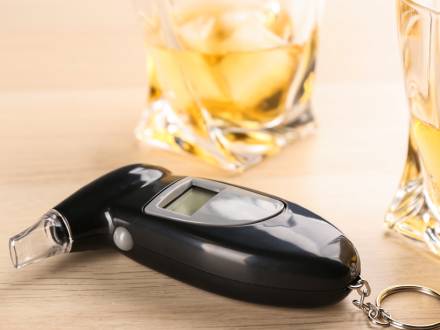
You can challenge a breathalyzer test in Wisconsin, even if the result shows an alcohol level above the legal limit. Problems with the test or the police investigation can affect the evidence used against you. However, not every testing error will lead to a dismissal. If you are facing OWI charges in 2026, a Delafield OWI defense lawyer can review your case and help you understand your options.
How Does Breathalyzer Testing Work in Wisconsin OWI Cases?
Wisconsin police use approved breath-testing machines at police stations and jails. Trained officers operate these machines to measure alcohol in your breath. Under Wisconsin Statute § 885.235, results are measured in grams of alcohol per 210 liters of breath and can be used as evidence in an OWI case.
Wisconsin's implied consent law allows police to request testing after an OWI arrest. Before testing, officers must read a warning called "Informing the Accused." It explains the consequences of taking or refusing the test.
A breath test must follow specific procedures designed to make sure the results are accurate and reliable. Testing errors or problems with the warning can support a challenge, but they do not always make the results inadmissible.
What Breathalyzer Records Can Help Challenge a Wisconsin OWI Charge?
The paperwork behind a breath test can reveal problems with the equipment or testing process. Important records include:
- Maintenance and calibration records for the specific instrument used
- The instrument's certification and approval documentation
- The operator's certification and permit, including expiration dates
- The test record itself, showing both samples and the time of each
- Any diagnostic or error messages generated during testing
- The Informing the Accused form and which version was read
- Squad and booking video covering the observation period
- The officer's report and any supplemental reports
Wisconsin requires breath-testing instruments to undergo regular accuracy checks. If the records show problems, your attorney can investigate whether the results are reliable.
Video can also help determine whether officers followed the required procedures. However, a minor mistake does not necessarily mean the court will exclude the test.
What Can Make a Breathalyzer Test Inaccurate in Wisconsin?
Breath test results can be affected by alcohol left in your mouth after drinking, vomiting, or acid reflux. Wisconsin requires officers to observe you for at least 20 minutes before testing. During that time, officers must make sure you do not consume alcohol, smoke, vomit, or regurgitate. The officer does not have to watch your mouth constantly, but the observation requirement still applies.
Medical conditions and dental appliances can also raise questions about accuracy. However, modern machines have safeguards against errors. A testing mistake does not automatically mean the court will exclude the results. Your attorney can use those problems to challenge the reliability of the results.
Can You Challenge a Wisconsin OWI Traffic Stop or Arrest?
You can challenge an OWI stop if police lacked reasonable suspicion to pull you over. An arrest also requires probable cause. This is based on evidence such as your driving, field sobriety tests, and statements. If the stop or arrest was unlawful, your attorney can ask the court to exclude evidence, although exclusion is not guaranteed.
Wisconsin treats roadside breath tests differently from station tests. Roadside breath test results cannot be used to prove intoxication at an OWI trial, but they can be used to help establish probable cause for an arrest. Refusing a roadside test does not trigger implied-consent penalties. Your attorney can review police reports and camera footage to identify possible violations.
What Happens to Your Driver's License After an OWI Breath Test in Wisconsin?
Your driver's license case is separate from your OWI case, and the deadlines are shorter. If a chemical test shows an illegal alcohol level, Wisconsin can suspend your license for six months. The suspension takes effect 30 days after the date on the notice. You usually have 10 business days to request a review if the notice was handed to you, or 13 business days from the notice date if it was mailed.
Refusing a required chemical test can lead to license revocation. You normally have 10 days after receiving the refusal notice to request a hearing. Most first-time OWI offenses are civil violations, while repeat offenses are criminal charges. An attorney can help you challenge both.
Schedule a Free Consultation With Our Waukesha County Criminal Defense Attorney
Attorney Paul Bucher served as the Waukesha County District Attorney for nearly 20 years. He was also elected twice as President of the Wisconsin District Attorneys Association. His extensive experience includes handling OWI prosecutions and other serious criminal cases.
At Bucher Law Group, LLC, we can review your breath test results, investigate possible testing errors, and challenge evidence that does not meet legal requirements. Contact us at 262-446-9222 to talk to our Delafield OWI defense lawyer today.








711 West Moreland Boulevard, #100A,
Waukesha, WI 53188
 262-446-9222
 262-446-9885





Contact Our Firm
 The use of the Internet or this form for communication with the firm or any individual member of the firm does not establish an attorney-client relationship. Confidential or time-sensitive information should not be sent through this form.
I have read and understand the Disclaimer and Privacy Policy.