262-446-9222



Recent Blog Posts
Challenging Breathalyzer Tests in Wisconsin OWI Cases
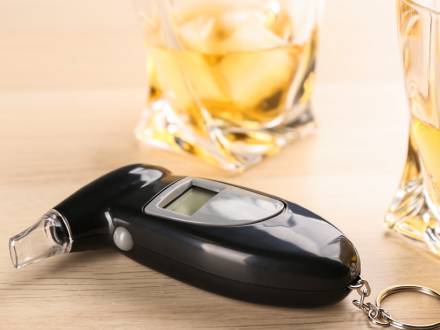
You can challenge a breathalyzer test in Wisconsin, even if the result shows an alcohol level above the legal limit. Problems with the test or the police investigation can affect the evidence used against you. However, not every testing error will lead to a dismissal. If you are facing OWI charges in 2026, a Delafield OWI defense lawyer can review your case and help you understand your options.
How Does Breathalyzer Testing Work in Wisconsin OWI Cases?
Wisconsin police use approved breath-testing machines at police stations and jails. Trained officers operate these machines to measure alcohol in your breath. Under Wisconsin Statute § 885.235, results are measured in grams of alcohol per 210 liters of breath and can be used as evidence in an OWI case.
Wisconsin's implied consent law allows police to request testing after an OWI arrest. Before testing, officers must read a warning called "Informing the Accused." It explains the consequences of taking or refusing the test.
Aggravated Battery Charges in Wisconsin
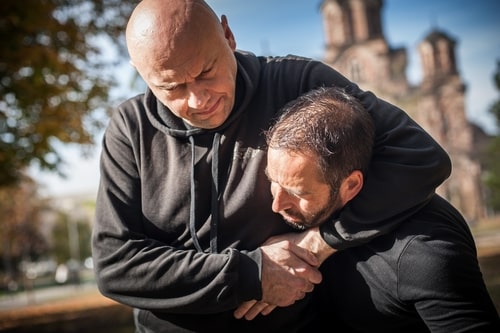
Aggravated battery in Wisconsin is a felony. The felony level depends on how serious the injury was and what the person intended to cause. Certain victims, including people ages 60 or older and public officials, can lead to additional or more serious charges. Harm to an unborn child can also result in separate charges. What separates these charges from ordinary battery comes down to two terms the law defines carefully. Those definitions are frequently where a case is won.
If you’ve been charged in 2026, our Dodge County, WI criminal defense lawyer can work with you to build a defense strategy.
What Is Aggravated Battery Under Wisconsin Law?
Under Wis. Stat. § 940.60, "simple battery" is a Class A misdemeanor, applying when someone intentionally causes bodily harm without consent. "Substantial battery" is a Class I felony that applies when the injury is serious enough to meet the legal standard for substantial bodily harm.
How Serious Is a Hit-and-Run Charge in Wisconsin?

A hit-and-run charge in Wisconsin can carry serious penalties, especially when someone was injured in the crash. When an accident involves damage to an attended or occupied vehicle but no injury, leaving the scene can be a misdemeanor. The moment any person is hurt, the case changes category entirely. Many of these charges come from drivers who panicked for a few seconds or genuinely did not realize they had struck anything. If you are facing one in 2026, a Jefferson County, WI traffic violation lawyer can explain which level applies to your case.
What Does Wisconsin Law Require You to Do After a Crash?
Wisconsin Statute § 346.67 places several obligations on any driver involved in an accident. First, you have to reasonably investigate what you struck. If you know, or have reason to know, that the accident caused injury or death, or damaged a vehicle that someone was driving or sitting in, you must stop as close to the scene as possible and stay there until you have completed each required step.
What to Know About Refusing a Breathalyzer Test in Wisconsin
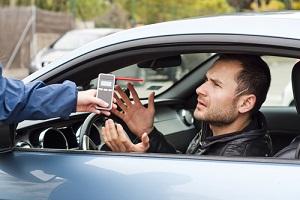 Refusing a chemical test after a Wisconsin OWI arrest can lead to a driver's license revocation. That refusal case is separate from the underlying OWI charge, so the license consequences can apply even if the OWI case is later dismissed.
If you refused chemical testing during a stop in 2026, a Waukesha County OWI defense lawyer can explain the refusal proceeding, the possible license penalties, and how it may affect your OWI case.
What Is Wisconsin's Implied Consent Law?
Under Wisconsin Statute § 343.305, if you are arrested for an OWI-related offense, an officer can ask you to provide a sample of your breath, blood, or urine for chemical testing. By driving in Wisconsin, you are considered to have consented to this testing.
What Are the Penalties for Reckless Driving in Wisconsin?
 Enforcement in Wisconsin for reckless driving has tightened sharply recently. A report from the Milwaukee Neighborhood News Service says police made 1,047 reckless driving arrests in 2025, up 43 percent from the year before. Penalties for reckless driving in Wisconsin range from a ticket to a felony, depending on whether anyone was hurt and whether you have a prior conviction.
If you are facing a charge in 2026, a Milwaukee County, WI traffic violations defense attorney can explain your charges and help you build a defense.
What Counts as Reckless Driving in Wisconsin?
Under Wis. Stat. § 346.62, no person may endanger the safety of any person or property by the negligent operation of a vehicle. "Negligent" here is not ordinary carelessness. It refers to criminal negligence, which means driving that created an unreasonable and substantial risk of death or great bodily harm, in a way the driver should have realized. A momentary lapse is usually not enough.
What To Do if You’ve Been Declared a Habitual Traffic Offender in Wisconsin
 If you have been declared a habitual traffic offender in Wisconsin, your first step should be understanding exactly why the license revocation happened. This designation carries a mandatory five-year revocation of your driving privileges. Still, there are options that can soften the impact on your daily life. If you are dealing with this situation in 2026, our Kenosha County, WI traffic violations lawyer can help you understand what comes next.
What Makes Someone a Habitual Traffic Offender in Wisconsin?
Under Wisconsin Statute Section 351.02, a person becomes a habitual traffic offender after building up a certain number of qualifying convictions within a five-year period. This generally means four or more serious offenses, such as reckless driving or operating under the influence.
3 Facts You Need to Know About a First Offense OWI
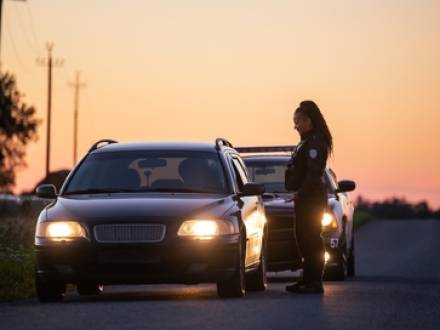 If you're facing a first-offense OWI in Wisconsin, you'll want to know how Wisconsin actually classifies this charge, what it can cost you, and when things can take a turn for the worse. All are relevant in challenging the charge in 2026 with the help of an experienced lawyer.
Our Ozaukee County, WI criminal defense lawyer can help you understand your legal options. Remember, a charge is not a conviction. Attorney Paul E. Bucher personally handled hundreds of drunk driving offenses.
What Key Facts About a First-Offense OWI in Wisconsin Should You Know?
Understanding these three facts can help you know exactly what you're facing and what to expect as your case moves forward.
Fact One: A First OWI Is Usually Treated as Civil, Not Criminal
What Is the Predominant Aggressor in a Wisconsin Domestic Violence Case?
 In a Wisconsin domestic violence case, the predominant aggressor is simply the person police decide was most responsible for what happened. This determination directly affects who gets arrested. This is true even when both people were involved in the confrontation.
If you've been arrested as the predominant aggressor in 2026, our Waukesha County, WI criminal defense lawyer can help you challenge this determination. Attorney Paul E. Bucher spent 20 years as the Waukesha County District Attorney. He personally directed or handled dozens of homicides, hundreds of drunk driving offenses, and thousands of serious drug cases. This gives him deep insight into how these determinations are made.
How Does Wisconsin Law Define the Predominant Aggressor?
Under Wisconsin Statute Section 968.075, the predominant aggressor is the most significant aggressor in a domestic abuse incident. They are not necessarily the first.
What Should You Do if You Are Accused of Leaving the Scene of a Fatal Crash?
 If you're accused of leaving the scene of a fatal crash in 2026, there are a few key things you should do. Avoid making any statements to police without a lawyer present. Gather any evidence supporting your account of what happened. And contact a defense attorney as soon as possible.
Our Dodge County, WI criminal defense lawyer can help you understand the charges against you and protect your rights.
What Does Wisconsin Law Require After a Fatal Accident?
Under Wisconsin Statute Section 346.67, a driver who knows or has reason to know that an accident caused injury or death must stop and remain at the scene. The driver must provide their name, address, and vehicle registration number. If requested and available, they must also show their driver's license. Most importantly, they have to provide reasonable assistance to anyone who is injured. Failing to meet these requirements can result in a criminal charge.
What You Need to Know About Your Miranda Rights
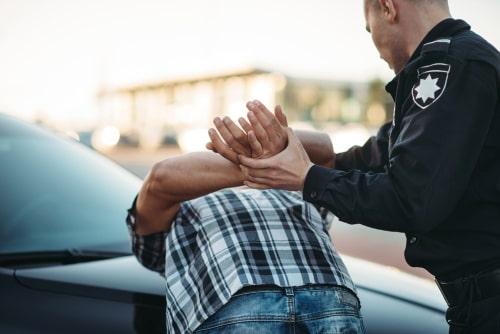 Your Miranda rights protect you from self-incrimination. It requires police to inform you of your right to remain silent and your right to an attorney before questioning you. Understanding these rights can make a significant difference in how your case unfolds, especially if you're unsure when they apply or what happens if police fail to follow the proper procedure.
If you're facing questioning or charges in 2026, our Waukesha, WI criminal defense lawyer can help you understand your rights and protect yourself throughout the process. Attorney Paul E. Bucher spent 20 years as the Waukesha County District Attorney and brings that experience to defending clients today.
What Are Miranda Rights and Where Do They Come From?
Miranda rights come from the landmark U.S. Supreme Court case Miranda v. Arizona. It established that police must inform suspects of certain constitutional rights before conducting a custodial interrogation. These rights include the right to remain silent, the right to know that anything said can be used against you in court, and the right to have an attorney present during questioning.








711 West Moreland Boulevard, #100A,
Waukesha, WI 53188
 262-446-9222
 262-446-9885





Contact Our Firm
 The use of the Internet or this form for communication with the firm or any individual member of the firm does not establish an attorney-client relationship. Confidential or time-sensitive information should not be sent through this form.
I have read and understand the Disclaimer and Privacy Policy.