262-446-9222



Recent Blog Posts
I Just Got a Traffic Violation on My Boat: Now What?
 Enjoying a day out on the water can be a fantastic experience, but remember that boating comes with its own set of rules and regulations. Just like driving a car, operating a boat irresponsibly can lead to traffic violations and serious consequences. When you receive a boating traffic violation, a Wisconsin lawyer can help you understand your rights and the steps you should take next.
What to Know About Boating Traffic Violations
In Wisconsin, law enforcement officers are responsible for maintaining the safety of all boaters on the state’s waterways. They may issue citations for various infractions, such as:
- Operating a boat under the influence of alcohol or drugs (OWI)
Possible Defenses for an OWI Charge
 Facing an OWI (Operating While Intoxicated) charge in Wisconsin can be a stressful experience, but remember that you have rights and there are potential defenses available. A Wisconsin lawyer can help protect your rights and explore every possible avenue to achieve the best outcome for your case.
Challenge the Traffic Stop
When building a defense, one of the first things to consider is whether the initial traffic stop was lawful. Police officers must have probable cause or reasonable suspicion to pull you over. The court could deem any evidence gathered during the stop inadmissible if the police officers lacked a valid reason. Your attorney will closely examine the circumstances surrounding the stop to determine if the police violated your rights.
Probation Violations in Wisconsin
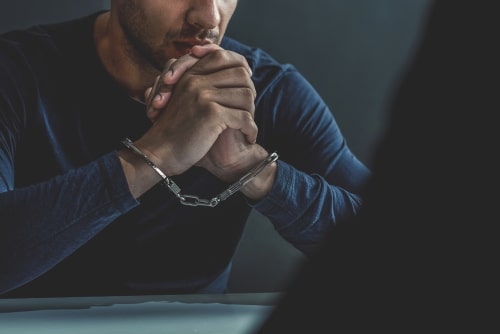 When someone is convicted of a criminal offense, it is likely they will be sentenced to serve some amount of time in prison. Sometimes, depending on the circumstances, you might be given the option of being released on probation, which offers you a way to serve a sentence without imprisonment. This is a privilege that is only a possibility for specific types of charges and an excellent opportunity to prove that you can be trusted to follow rules and be a respectful member of society.
If you are given a probation period instead of a prison sentence, you will also be given a set of rules to follow. There are limitations to where you can go and what you can do, and if you can abide by those rules, you can avoid jail time. However, if you violate the rules of your probation, you face serious consequences. Speak with a qualified Wisconsin criminal defense attorney who can advise you on how to proceed as you carry out a probation term.
Restrictions on Carrying Guns in Wisconsin
 Americans have a constitutional right to bear arms, but the Second Amendment does not specify a lot of the details beyond the fact that they can own weapons. There are certainly exceptions to the rule, with some people being deemed medically unable to safely maintain or possess guns. Depending on where you are, there might be restrictions regarding the number of guns you can buy and own, the types of guns, and even how you are legally permitted to carry them as you go about your day. Some people might be required to make sure their weapon is visible to their surroundings, while others might have a concealed carry license. And still, there are some places where concealed carry is prohibited, regardless of the type of permit you have.
With so many restrictions around the legal use of a weapon, it is possible to mistakenly act in violation of the law. Even if you have the best of intentions and respect for the law, an inadvertent violation could land you in a lot of trouble and you can get charged with a criminal offense. If you are facing weapons charges, speak with a qualified Jefferson County, WI defense attorney who has experience protecting Second Amendment rights.
What Factors Impact the Severity of a Wisconsin Criminal Sentence?
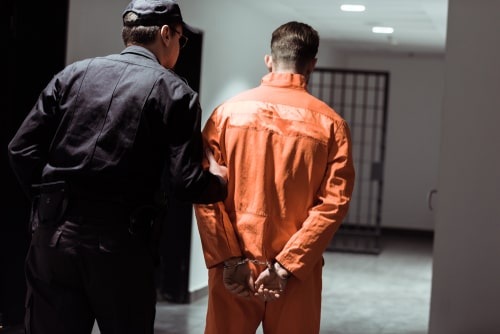 Getting arrested and charged for a criminal offense can be an overwhelming and frightening experience. There is a lot of uncertainty involved. If you are arrested for the first time, you will not know what to expect. The same can even be true if you are arrested for the fourth time because a lot can depend on the specifics of the crime, the arresting officers, and countless other subjective factors. This article will explain some factors that can potentially increase the severity of the charges you face or the sentence you are given. Of course, if you are charged with a crime, the most important thing you can do is consult with a knowledgeable Racine County, IL criminal defense attorney who can guide you through the process.
What Might Increase the Severity of My Charges?
When you are arrested, you might be feeling scared, worried, uncertain, or threatened. These feelings can make you act out in a way that you otherwise would not. While it might seem reasonable to scream and shout and do whatever you can to avoid being taken into custody, such reactions are likely to hurt you in the end.
Penalties for Driving on a Suspended License in Wisconsin
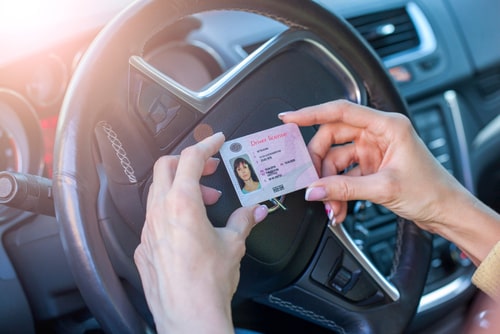 Drivers can get their licenses suspended or revoked for several reasons. Some of the most common ones include driving without insurance, having repeated traffic violations, habitual negligence or recklessness on the road, committing alcohol or drug-related offenses, and having 12 or more points on your record within a year. If your license is suspended and you are caught driving anyway, you can face serious consequences. You might be given heavy fines, and you can even be charged with a misdemeanor or felony. If this happens to you, a skilled Dodge County, WI traffic violation lawyer can represent you and protect your rights.
Fines and Charges for Driving on a Suspended License
You might think it is not too big a deal to drive on a suspended license. After all, what are the odds that you will get caught? People who depend on driving to get to work, school, necessary medical treatments, or other places they need to be might think that the potential punishment they could face is less important than what they need to do that day. One option is to seek legal assistance to get your suspension cleared, and then you can drive legally.
Can I Get My Juvenile Record Expunged in Wisconsin?
 Having a criminal record can impact your life for years to come. It comes up when interviewing for jobs, seeking housing, applying to universities and scholarship programs, and even dating. It can be extremely frustrating to be endlessly punished for crimes you committed long ago, which you already paid the price for by completing a sentence. If your criminal record is the result of mistakes you made when you were much younger, you might consider getting it expunged, in other words, have it removed or erased as if it never happened. Getting a juvenile record expunged in Wisconsin is challenging but not impossible. If you have been thinking about trying to get your juvenile record expunged, a skilled Dodge County, WI criminal defense attorney can review your case and offer useful guidance.
Requesting Expungement in Wisconsin
Teenagers often fail to think before they act. Making mistakes and learning from them is a part of growing up, but if the mistakes you make violate the law, the consequences can be much more serious. Juvenile crimes can stay with you far into adulthood. If you have turned your life around and are trying to be a law-abiding citizen, a criminal record can feel like a shadow following you around wherever you go.
What is the Intoxicated Driver Program in Wisconsin?
 If you are facing charges related to operating while intoxicated (OWI) in Wisconsin, you are likely wondering what the potential consequences of a conviction would be. When in this difficult situation, it is important that you understand that while the situation is undoubtedly serious and the charges severe, you do have options. One such option is the Intoxicated Driver Program, a specialized program designed to help people address their alcohol or drug-related offenses. If you are facing OWI charges and are wondering what your options are, contacting an experienced attorney is a wise first step.
Understanding the Intoxicated Driver Program
The Intoxicated Driver Program in Wisconsin is a court-ordered program aimed at educating and rehabilitating people who have been convicted of OWI offenses. The program is designed to help participants address their alcohol or drug use issues, understand the impact of their actions, and ultimately prevent future instances of impaired driving. Participants in the program are required to complete a series of assessments, educational sessions, and treatment programs tailored to their specific needs.
What is the Intoxicated Driver Program in Wisconsin?
If you are facing charges related to operating while intoxicated (OWI) in Wisconsin, you are likely wondering what the potential consequences of a conviction would be. When in this difficult situation, it is important that you understand that while the situation is undoubtedly serious and the charges severe, you do have options. One such option is the Intoxicated Driver Program, a specialized program designed to help people address their alcohol or drug-related offenses. If you are facing OWI charges and are wondering what your options are, contacting an experienced attorney is a wise first step.
Understanding the Intoxicated Driver Program
The Intoxicated Driver Program in Wisconsin is a court-ordered program aimed at educating and rehabilitating people who have been convicted of OWI offenses. The program is designed to help participants address their alcohol or drug use issues, understand the impact of their actions, and ultimately prevent future instances of impaired driving. Participants in the program are required to complete a series of assessments, educational sessions, and treatment programs tailored to their specific needs.
Top Three Ways a Juvenile Criminal Defense Attorney Can Help My Child in Wisconsin
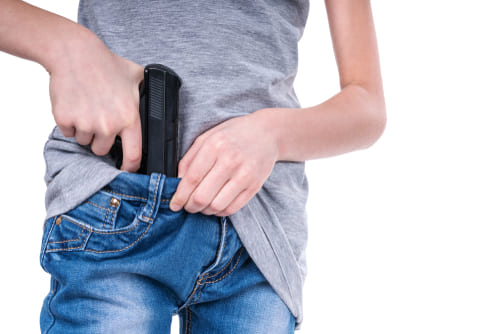 Discovering that your child is facing criminal charges can be a challenging and emotional experience for any parent. In Wisconsin, juvenile criminal cases require specialized knowledge and skill to navigate the legal system effectively. Hiring a juvenile criminal defense attorney can make a significant difference in your child’s case, ensuring that her rights are protected and that she receives fair treatment under the law. Here are the top three ways a juvenile criminal defense attorney can help your child in Wisconsin.
Legal Experience Gives Juvenile Clients a Fighting Chance
Whether your child was charged with underage drinking or another Wisconsin crime, juvenile criminal defense attorneys have a deep understanding of Wisconsin juvenile law and the unique procedures involved in juvenile court proceedings. They can provide professional guidance on the legal process, explain the charges your child is facing, and outline the potential consequences of a guilty verdict. By having a knowledgeable attorney by her side, your child can make informed decisions and understand her rights throughout the legal







711 West Moreland Boulevard, #100A,
Waukesha, WI 53188
 262-446-9222
 262-446-9885





Contact Our Firm
 The use of the Internet or this form for communication with the firm or any individual member of the firm does not establish an attorney-client relationship. Confidential or time-sensitive information should not be sent through this form.
I have read and understand the Disclaimer and Privacy Policy.