262-446-9222



Recent Blog Posts
Can I File a Civil Lawsuit Against a Perpetrator if I Am a Victim of a Crime?

Most of the time, there is a clear-cut difference between criminal law cases and civil law cases. In some instances, however, the line between the two types of law is blurred, and a civil lawsuit could easily stem from a criminal case. There are many crimes that, when committed, can be extremely harmful and damaging to the victims. Criminal cases can help bring the perpetrator to justice, but they often do not help the victim with the medical bills, counseling, lost wages, or other damages that may have resulted from the crime. Often, a civil lawsuit is needed to provide the victims of these crimes with the compensation that they deserve for the hardships they have endured.
Filing a Personal Injury Lawsuit for Crimes
In situations where a victim suffers significant injuries, they may be able to file a personal injury lawsuit to mitigate some of the effects of the damages. Common crimes that result in damages to the victims include:
Can I Receive a Wisconsin Occupational License After an OWI Charge?

Even though Wisconsin tends to be one of the most lenient states when it comes to operating a vehicle while under the influence of alcohol or drugs, there are still serious consequences that you can face if you are convicted of these criminal charges. By far, one of the most aggravating consequences of a Wisconsin OWI charge is the fact that you can have your driver’s license suspended or revoked. If this happens, you will be unable to drive for a specified period of time -- unless you have what is called an occupational driver’s license. This type of license allows a person to continue to drive during a suspension or revocation period for certain reasons. Although it is not an ideal situation overall, an occupational license can help immensely.
Eligibility for an Occupational License
4 Things Important Things to Know if You Are a Wisconsin Firearm Owner
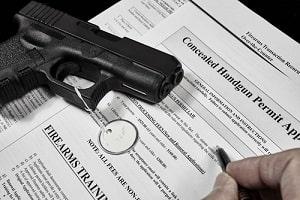
One of the things that makes the United States different from many other countries is that there are provisions guaranteeing citizens the right to own firearms written in the country’s Constitution. Even so, each state is allowed the freedom to create its own laws pertaining to firearms and other weapons. This has led to a disparity across states regarding what is and is not legal when it comes to firearm ownership and possession. Not only do you have to follow state laws, but you must also follow federal laws. Violating any state or federal firearms laws can result in serious charges that can carry stiff penalties. If you are a Wisconsin gun owner, the following are a few things you should know.
Requirements for Firearm Possession in Wisconsin
Wisconsin Teen Faces Criminal Charges for Incident at High School

In 1999, the country was in shock when the nation’s first major school shooting took place at Columbine High School in Littleton, Colorado. Two teenage boys shot and killed 13 people and injured more than 20 others before they committed suicide. Since then, more events involving gun violence have taken place, many in schools. In the past couple of years, there have been dozens of incidents in which high school students have committed acts of violence using a weapon at school. In one recent event, a Waukesha, Wisconsin teen threatened fellow students with a pellet gun, resulting in an altercation with a police officer.
Teen Shot Three Times By Police
Early in December of 2019, a Waukesha South High School student brought a pellet gun into school to scare the other students because he “was tired of being picked on,” according to authorities. The boy became upset when another student asked him about his plans for his 18th birthday. According to the charges filed, the teen pulled a pellet gun that looked like a handgun from his backpack and pointed it directly toward the student’s head.
What Are the Penalties For Homicide While Driving Drunk in Wisconsin?
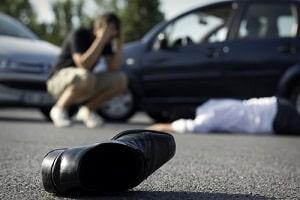
When it comes to drunk driving laws, Wisconsin is relatively lenient compared to other states. In fact, Wisconsin is the only state in the country in which a first-time DUI offense is merely a ticket, rather than a criminal charge. Even when a person reaches his or her second, third, or even fourth conviction of Operating While Intoxicated (OWI), the sentence typically does not involve jail time. Rather, probation is usually given to those offenders, even if their driving privileges were revoked. Jail time can be expected, however, if there are certain aggravating factors present in the situation to warrant a need for incarceration. Aggravating factors in a Wisconsin OWI case can include causing bodily harm or injury to another person, committing OWI with a child in the vehicle, or one of the most serious charges: homicide while committing OWI.
4 Tips for Preventing a Wisconsin OWI Charge During the Holidays

Thanksgiving is upon us, with Christmas following soon after. Holiday get-togethers are a time for family and friends to gather and spend time with one another. It is not uncommon for adults to drink alcohol during these festive gatherings, but drinking too much and getting behind the wheel can result in criminal charges for those who choose to do so. Holidays such as Thanksgiving and Christmas are notorious for having staggering statistics on DUI-related traffic accidents, many of which turn out to be deadly. According to the National Highway Traffic Safety Administration (NHTSA), more than 800 people died in alcohol-related car crashes during Thanksgiving holidays between 2013 and 2017. If you plan on drinking this holiday season, here are a few things you can do to prevent a serious and costly Wisconsin OWI charge:
What Are Aggravating OWI Factors in Wisconsin?
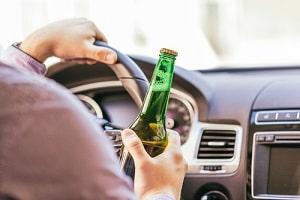 When it comes to driving under the influence (DUI) laws in Wisconsin, things can get rather confusing. Wisconsin refers to the offense as Operating While Intoxicated (OWI). The state has some of the most lenient OWI laws in the country, especially for a first-time OWI offense. If you are convicted of OWI in Wisconsin, and you have no prior OWI convictions or arrests, you do not actually face a criminal charge; rather, you face a civil penalty or the equivalent of a traffic ticket. That can all change, however, if your first-time OWI charge involves the great bodily harm or death of another person.
OWI With Great Bodily Harm
Even if you have never before been convicted or arrested for drunk driving in Wisconsin, an OWI charge alleging that you caused great bodily harm to another person is a very serious charge with stiff penalties. You can face OWI charges with great bodily harm if your BAC was over 0.08, if you had a detectable amount of an illicit drug in your system, or even if an officer found you to be under the influence and impaired.
Frequently Asked Questions About Wisconsin OWI Charges

Getting into trouble with the law for any reason can be a particularly scary and anxiety-inducing experience. When you are accused of operating a vehicle while under the influence (OWI) of drugs or alcohol, this can be especially scary, because there are so many uncertainties that come with those charges. In Wisconsin, not only do you face expensive fines and surcharges for a first-time OWI offense, but your driver’s license can be suspended. Depending on the circumstances of your case, you could face serious criminal charges with harsh consequences. Below are a few of the most commonly asked questions about Wisconsin OWI charges:
Will I Lose My Driver’s License?
If you are arrested because an officer suspected that you were driving while intoxicated, you will be asked to submit to a chemical test so the officer can determine your blood alcohol content (BAC). If your BAC result shows that you are legally intoxicated, the officer will give you a Notice of Intent to Suspend, which is informing you that the Wisconsin Department of Transportation will suspend your driver’s license after 30 days. You can contest this suspension within 10 days of your arrest; otherwise, your license will automatically be suspended for at least six months.
4 Things You Should Know if You Are Arrested in Wisconsin

Most of the time, the only contact people have with police are interactions that take place when police believe an individual has done something illegal. Because of this, people tend to have a somewhat fearful reaction to law enforcement. Even if you did not do anything wrong, being approached by a police officer can often elicit fear or anxiety. If you are stopped by police or arrested for a crime, there are certain things you should not do, and there are certain ways you should behave to avoid any further trouble. It is important that you understand your rights as a citizen if you are ever arrested for a crime. The following are a few things you should know if you are arrested in Wisconsin:
-
You should never try to resist a police officer who is attempting to perform an arrest. If you do resist a police officer, you can actually be charged with a crime, and you may also end up having to pay fines. If you are detained by a police officer, you are permitted to ask if you are free to go. If the officer says you are not free to go, that means you are being arrested, and you must comply. Doing so can save you a lot of headaches and legal trouble in the future.
What You Should Know About Wisconsin OWI Traffic Stops

Everyone knows that it is against the law to drive while you are under the influence of alcohol or drugs. Operating a vehicle while intoxicated in Wisconsin not only puts you at risk of being arrested for OWI, but it also puts everyone else on the road in danger. Statistics show that driving while impaired is not only dangerous but deadly. According to the latest data from the National Highway Traffic Safety Administration (NHTSA), there were nearly 11,000 deaths due to drunk driving in 2017, accounting for almost 30 percent of all traffic deaths. If you are ever stopped for the criminal offense of OWI, it is important to know the process in order to make sure your rights are protected.
What Are the Steps in an OWI Stop?
Police officers are trained to spot impaired driving and will usually have a pretty good idea if a person is driving under the influence or not. Being pulled over by the police is nerve-wracking for anyone, but getting stopped by police because they suspect you of drunk driving can be even more anxiety-inducing. Here are a few things to expect if you are pulled over for suspicion of OWI:








711 West Moreland Boulevard, #100A,
Waukesha, WI 53188
 262-446-9222
 262-446-9885





Contact Our Firm
 The use of the Internet or this form for communication with the firm or any individual member of the firm does not establish an attorney-client relationship. Confidential or time-sensitive information should not be sent through this form.
I have read and understand the Disclaimer and Privacy Policy.